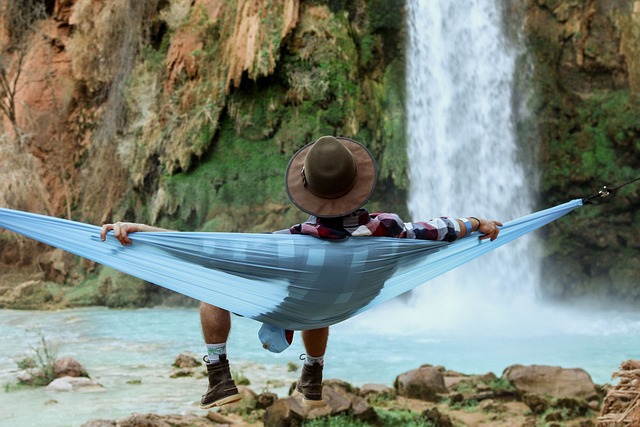
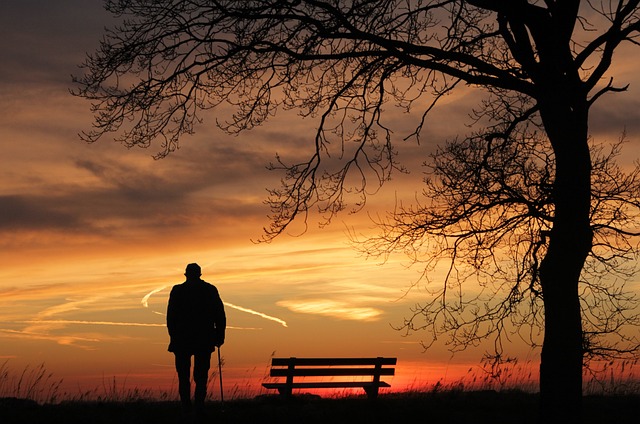
Paste your article and AI reads the whole piece, then suggests a cover image and photos from Pixabay to drop between your paragraphs.
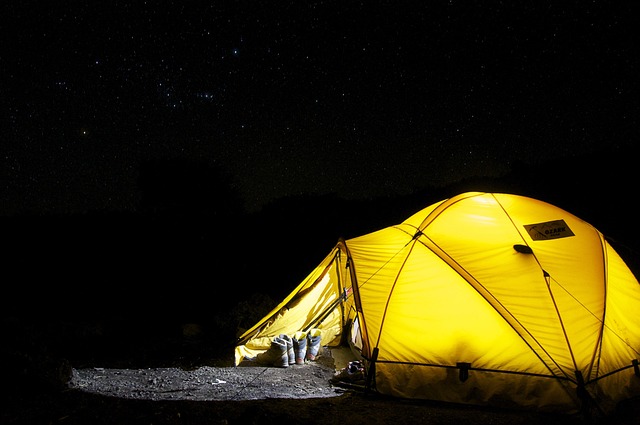
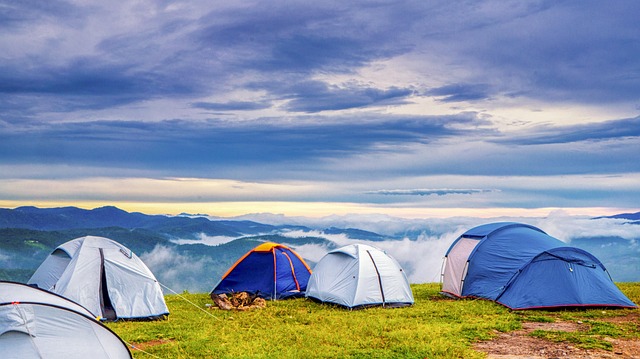
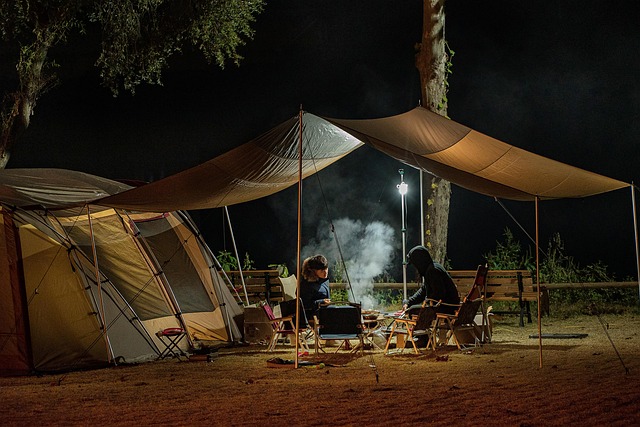
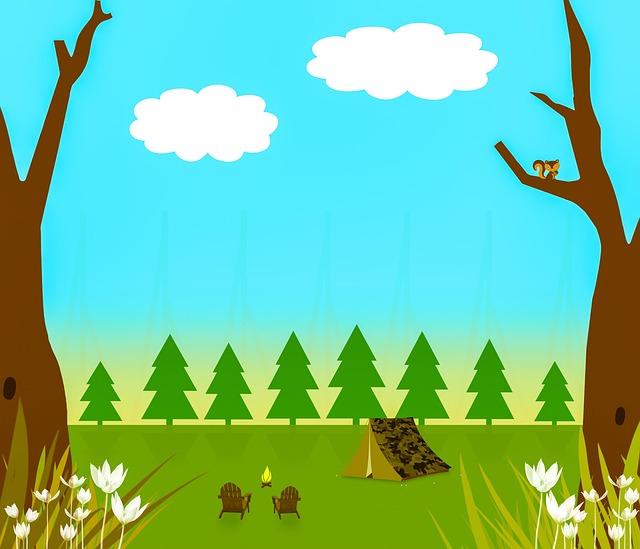
It captures the core of the article: camping with a tent, campfire and starry sky as an escape from modern life.
Keywords: camping tentmilky waycampfiremountain lakehammock forest
Why We Still Go
Camping is the oldest holiday there is, and it is still one of the best. Long before hotels, resorts or theme parks existed, people slept outdoors because they had no choice. Today we choose it, and the fact that so many of us keep choosing it says something about what modern life leaves out.
Consider an ordinary day. You wake to an alarm, check your phone before your feet touch the floor, and spend hours moving between screens, rooms and vehicles. You may go an entire day without feeling real weather on your skin or seeing the horizon. Our lives are comfortable, efficient and connected, yet many people feel scattered and tired in a way that no amount of sleep seems to fix.
Camping offers a remedy that is almost embarrassingly simple. You pack a few essentials, drive or walk to a patch of ground, put up a shelter, and stay there. That is all. Yet something happens in the process. The pace slows, the senses sharpen, and the mind, with fewer things competing for its attention, begins to settle.
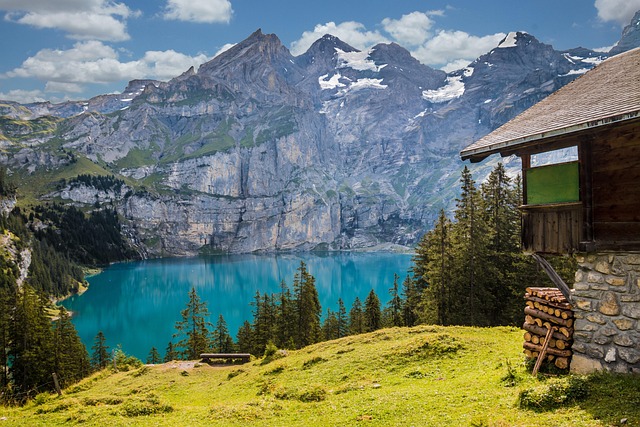
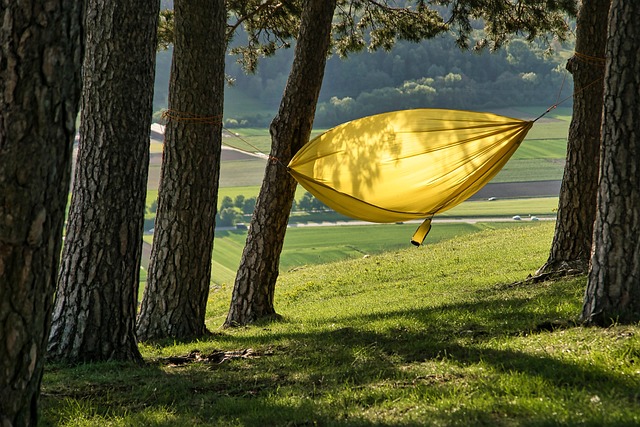
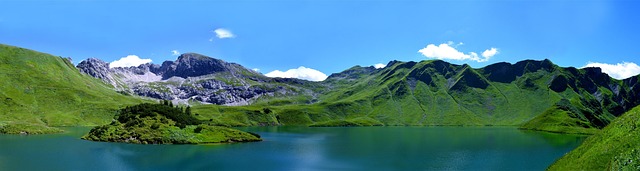
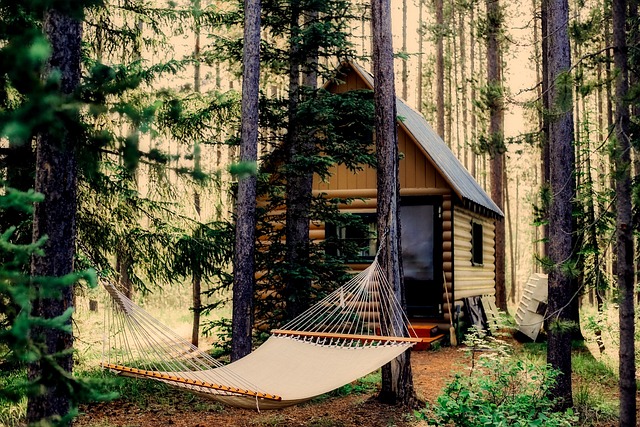
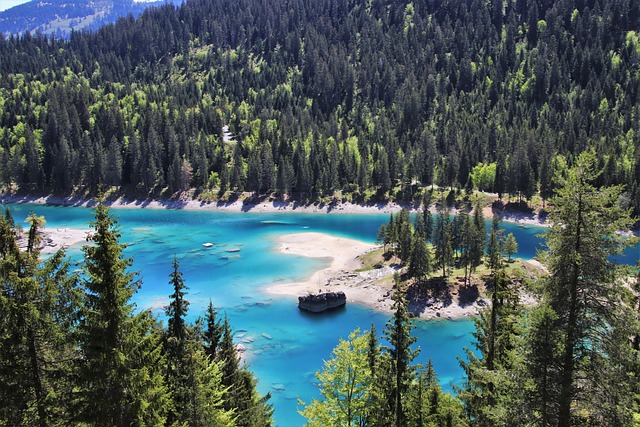
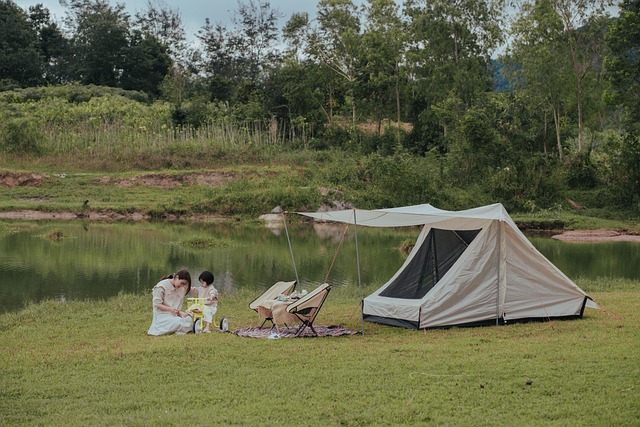
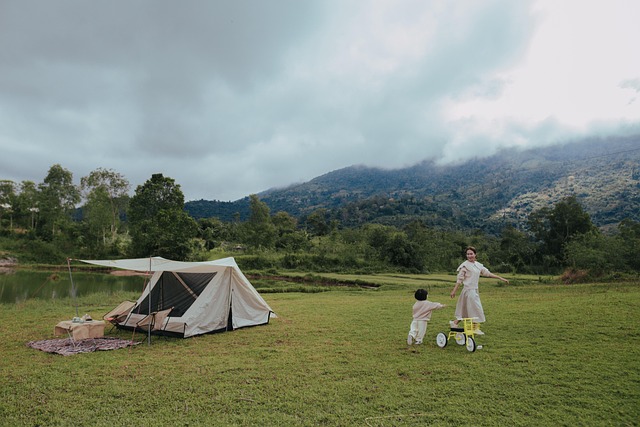
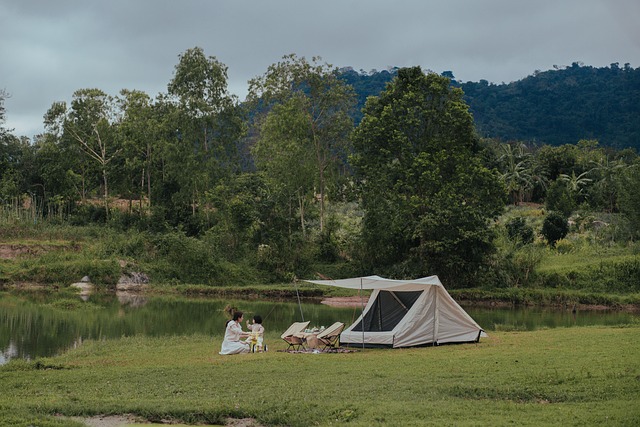
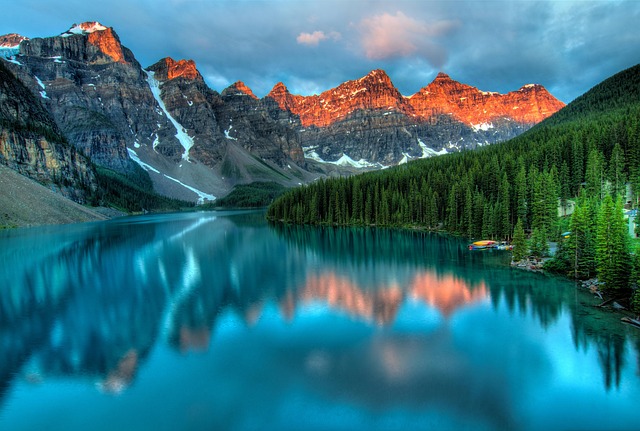
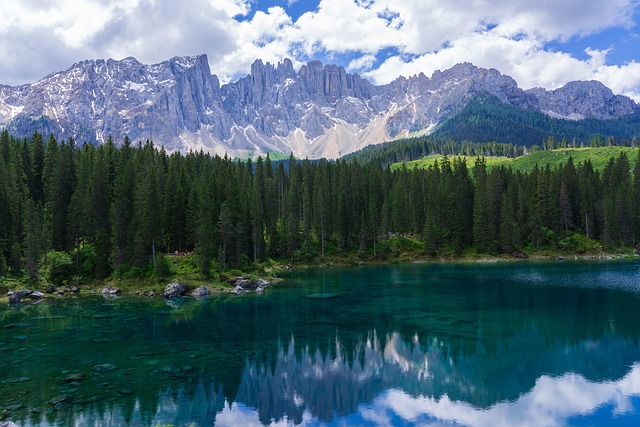
This article makes the case for camping as something more than a hobby or a budget way to travel. It is a practice that restores attention, builds practical confidence, deepens friendships and gives ordinary people a regular encounter with the natural world. Whether you picture a tent beside a mountain lake, a family site at a well-kept campground, or a hammock slung between two trees on a quiet weekend, the wonder is the same.
The sections that follow explore why: the sky you finally get to see, the freedom of living with less, the surprising joy of cooking over a flame, the benefits for body and mind, the bonds formed around a fire, the skills you quietly acquire, and how almost anyone can begin. If you have never slept outdoors, I hope this makes you curious. If you already camp, I hope it reminds you why you love it.
Sleeping Under the Sky
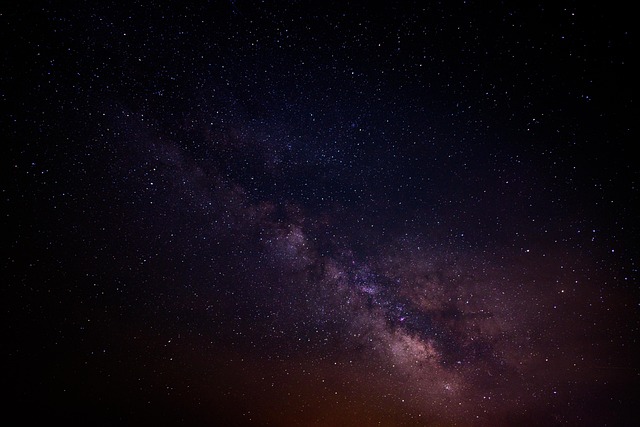
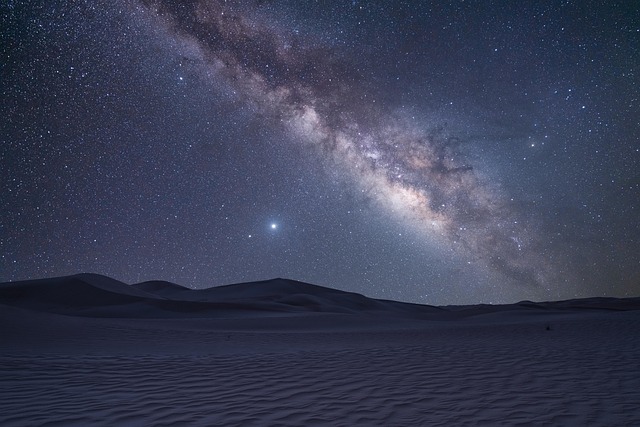
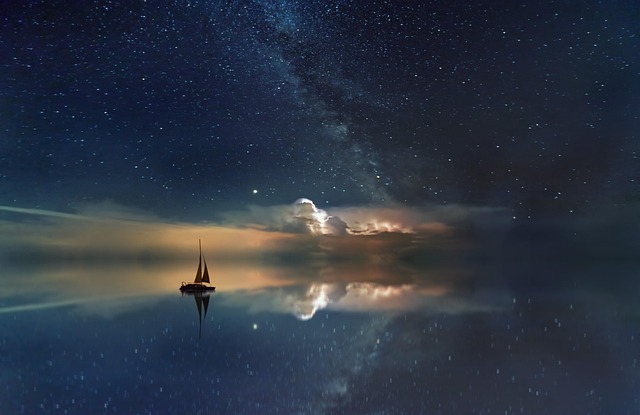
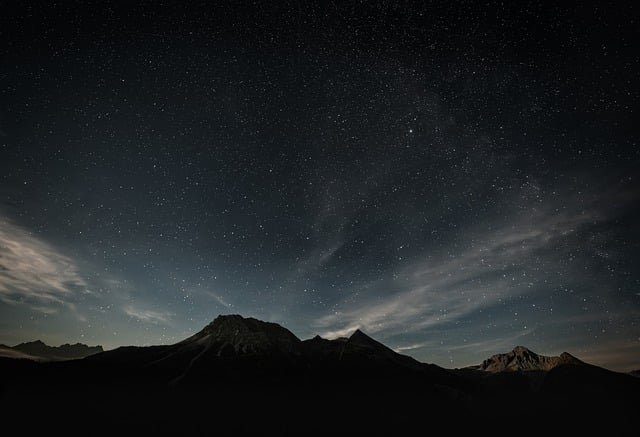
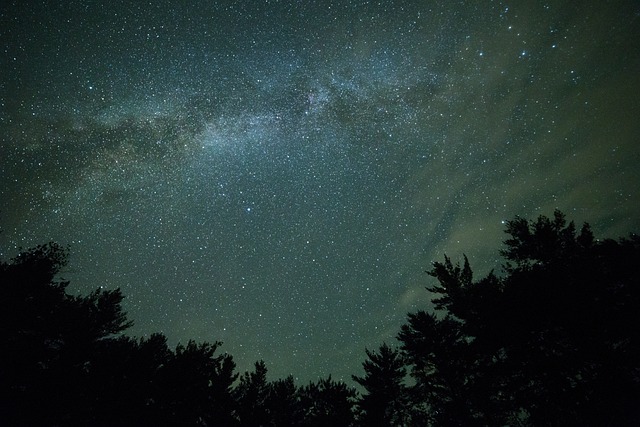
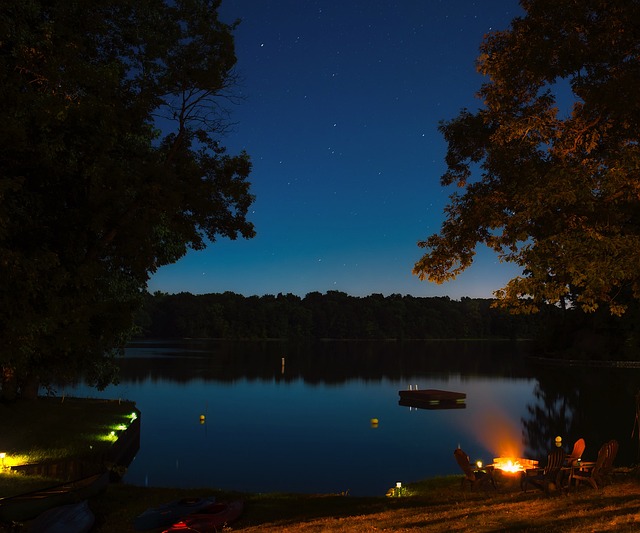
The heading introduces sleeping under the night sky, a vivid scene of stars above a tent.
Keywords: starry skymilky waytent night
Keyword basis: surrounding paragraphs
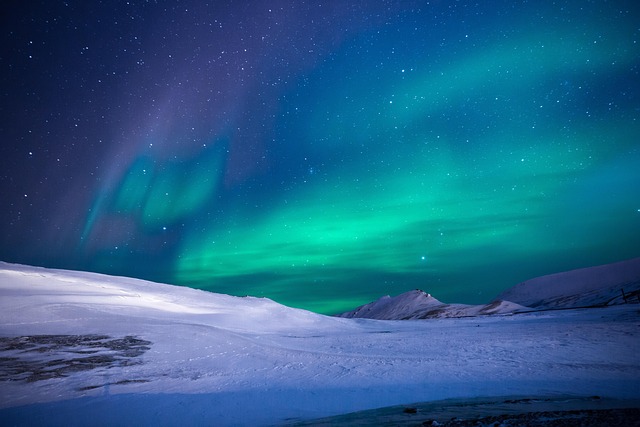

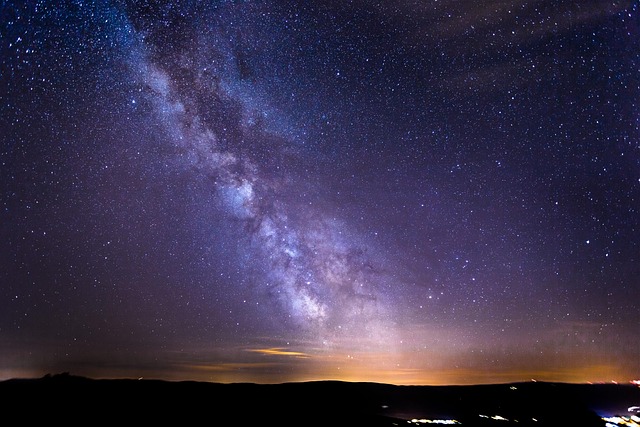

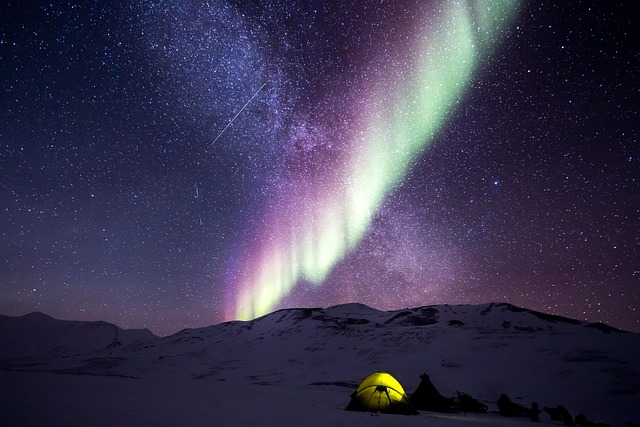
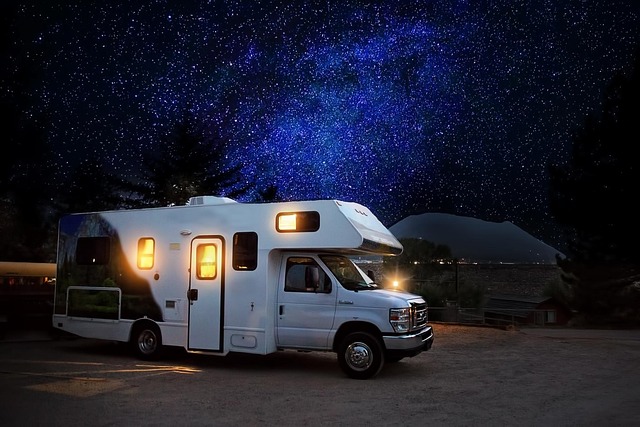
The first great gift of camping is the night. In cities and suburbs, artificial light washes out all but the brightest stars, and many people have never seen the Milky Way with their own eyes. Step a few miles from the nearest town, switch off your headlamp, and wait ten minutes while your eyes adjust. The sky slowly fills in, first with dozens of stars, then hundreds, then a dense river of light stretching from one horizon to the other. It is one of the few experiences that nearly everyone describes in the same words: humbling, quiet, enormous.
Night outdoors is not only about stars. It has its own sounds and rhythms. An owl calls from somewhere in the dark. Wind moves through the branches and fades. A stream keeps up its low conversation with the rocks. Because there is no traffic hum or appliance buzz to mask them, these sounds become clear and strangely comforting. Many campers report that they sleep more deeply in a tent than in their own bed, despite the thin mattress and the lack of a pillow worthy of the name.
There is good science behind that impression. A study from researchers at the University of Colorado Boulder, published in 2013, followed volunteers who spent a week camping with no electric light apart from the sun and campfires. Their internal clocks shifted earlier, so that their bodies began preparing for sleep closer to sunset and they woke earlier and more easily in the morning. Our biology evolved under natural light, and it responds when we give it that environment again.
The days have a similar effect. Without a schedule, time stretches. You rise with the light because the tent grows bright, not because a device demands it. Morning is cool and fragrant, and the first cup of coffee tastes better than any you have bought in a cafe. Hours pass in small acts: watching clouds build over a ridge, following a trail to see where it goes, skipping stones, reading a book from cover to cover without once reaching for a phone.
Weather, too, becomes something you experience rather than something you consult. A warm afternoon feels like a gift. A sudden shower drumming on the tent fabric becomes a cozy interlude, especially when you are dry inside with a hot drink. Even a bad storm, survived and recalled the next day, becomes a story worth telling. Living closer to the elements reminds us that we are part of a larger system, and that, oddly, is a relief.
The Freedom of Living With Less
At home, we are surrounded by possessions that each demand a small piece of attention: things to clean, store, repair, replace or decide about. A camping trip strips this away. Everything you need for several days fits in a car, or on your back, and you carry only what you have judged to be worth carrying.
That constraint is liberating. When your home is a tent, your kitchen is a stove and a pot, and your wardrobe is two shirts and a rain jacket, the day's questions become wonderfully basic. Where will we sleep? What will we eat? Is the weather turning? Are we warm and dry? These are the questions human beings have asked for most of history, and answering them directly is deeply satisfying in a way that answering an inbox never is.
Simplicity also changes how we value things. A good sleeping bag on a cold night is a small miracle. A dry pair of socks after a wet hike feels like luxury. Hot soup tastes extraordinary. Because comfort is no longer automatic, you notice it and feel grateful for it, and that gratitude often follows you home. Many campers return with a quiet resolve to own less and to appreciate what they already have.
There is a practical lesson here, too. Experienced campers often say that the best gear is the gear you do not need. Beginners tend to overpack, bringing three lanterns, a folding table for every purpose and enough clothes for a month. After a trip or two, they learn what they actually used and what simply took up space. This process of sorting the essential from the merely convenient is a useful skill far beyond the campsite.
It also frees time. With few possessions to manage and no obligations on the calendar, hours open up for the things people say they never have time for: talking at length, thinking, wandering, doing nothing in particular. Many people discover that boredom, the real kind, is not an enemy. It is the quiet space in which ideas arrive, memories surface and the mind rests. Children, in particular, tend to invent games from sticks, mud and imagination within an hour of arriving at a campsite, a reminder of how little we need to be entertained when we are given room to play.
Fire, Food and the Pleasure of Outdoor Cooking
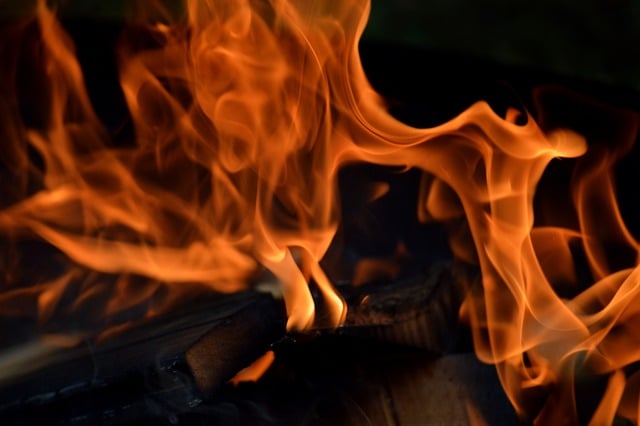
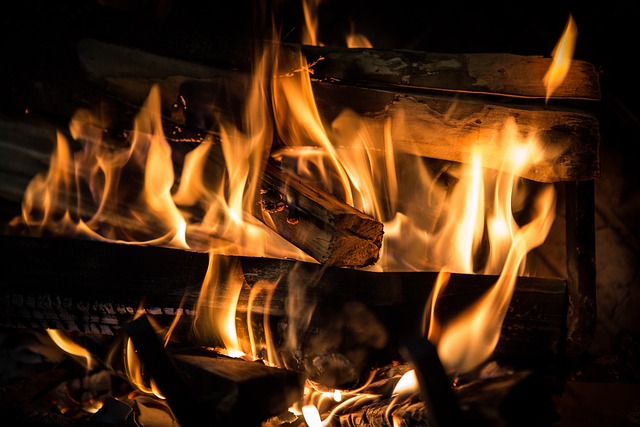
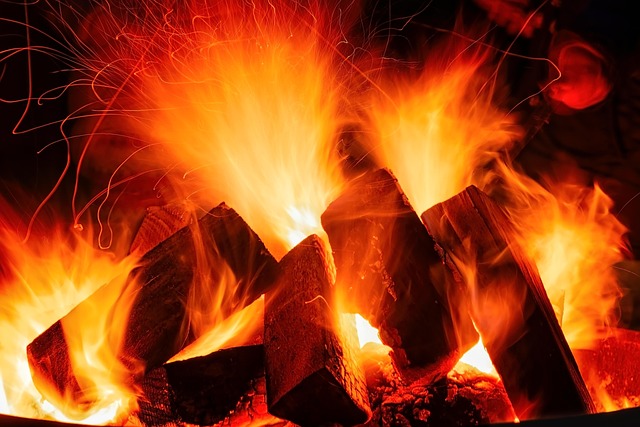
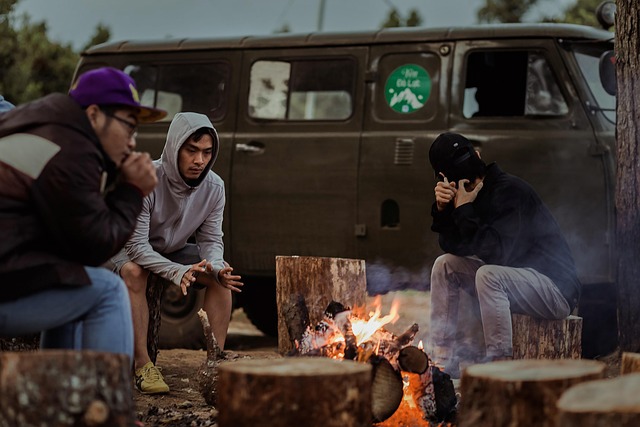
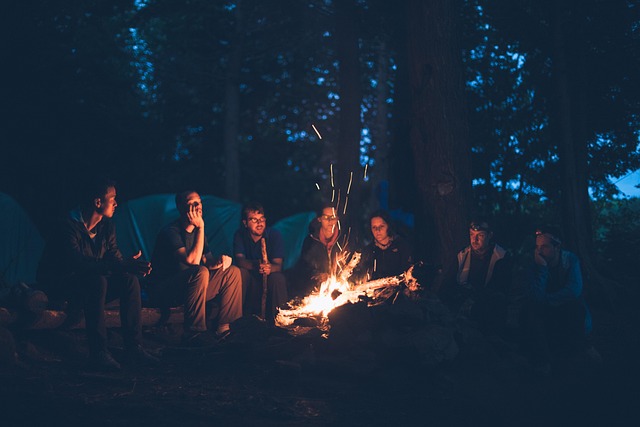
If the night sky is camping's first gift, fire is its second. There is something ancient in the way people respond to a flame. Conversation softens, shoulders drop, and eyes drift toward the glow. Anthropologists have suggested that gathering around fire shaped human social life for hundreds of thousands of years, giving our ancestors light, warmth, safety and a reason to linger and talk after dark. Whatever the truth of that theory, anyone who has sat at a campfire knows the feeling: it is hard to be in a hurry beside a fire.
This paragraph describes the pull of gathering around a campfire.
Keywords: campfirefire flamesfriends fireside
Keyword basis: surrounding paragraphs
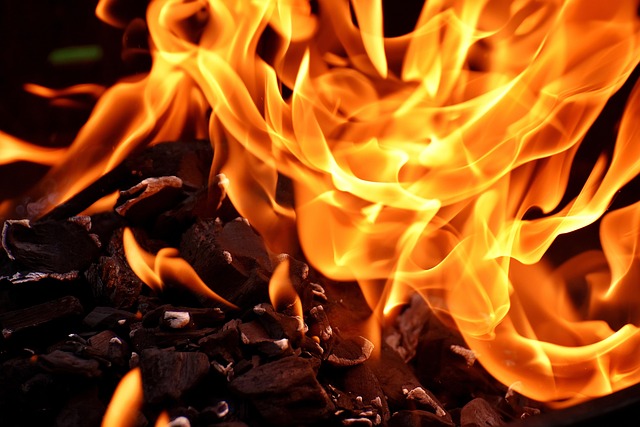
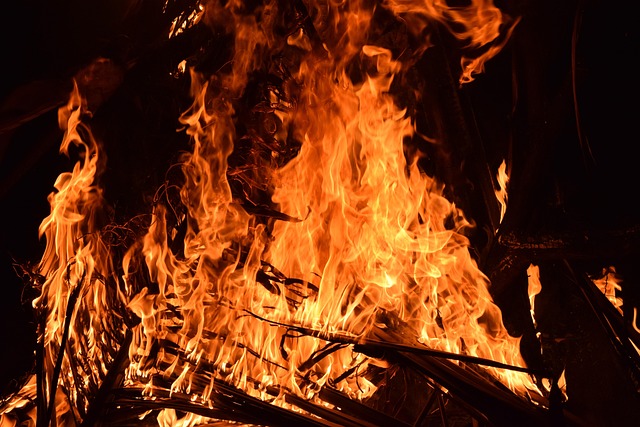
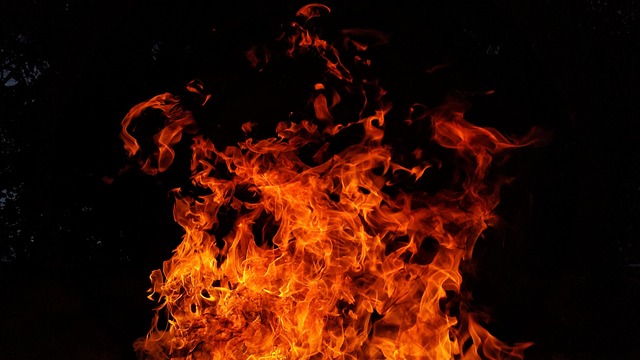


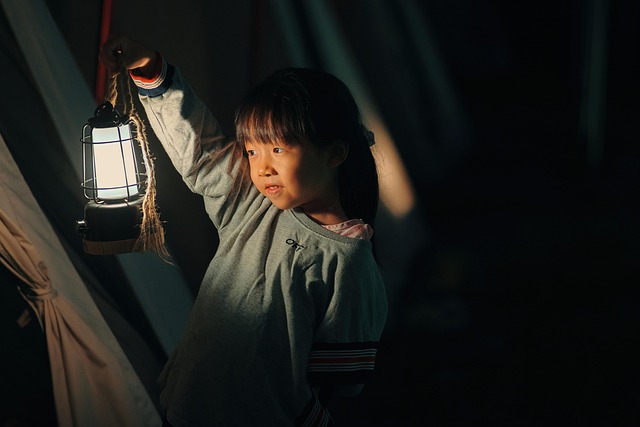
Building one well is its own small craft. You gather tinder, kindling and fuel, arrange them so air can flow, and coax a spark into a steady blaze. Done responsibly, with attention to local fire rules, a proper ring and plenty of water on hand, it is rewarding and safe. Where open fires are restricted, a compact stove or a lantern offers a different kind of campsite glow, and the evening still has its same slow charm.
Then there is food. Outdoor cooking has a reputation for being basic, and it can be, but it is also where some of the most memorable meals happen. Appetite is sharpened by fresh air, exercise and cool evening temperatures, so even simple dishes taste remarkable. Sausages blistered over coals, a pot of chili simmering on a camp stove, pancakes flipped on a griddle in the morning light, foil-wrapped vegetables and potatoes tucked into the embers: none of these would win awards in a restaurant, yet many people remember them more vividly than expensive dinners.
Part of the pleasure is the participation. Everyone has a job. Someone fetches water, someone chops onions, someone tends the fire, and the children are put in charge of the marshmallows with great ceremony. Cooking together becomes a shared project with a clear and delicious reward. Cleaning up, too, has a pleasant rhythm when it is done by lantern light with the sounds of the forest around you.
Coffee deserves a mention of its own. Few rituals in camping are as beloved as the first cup of the day, made on a small stove while mist lifts off the ground and the rest of the camp is still zipped into sleeping bags. Whether brewed in a percolator, poured through a paper filter or stirred from an instant packet, it tastes like a small victory.
The key, as with everything in camping, is to keep it simple, plan a little ahead, and leave room for improvisation. A good meal outdoors does not require special equipment. It requires hunger, good company and a place to sit.
Mind and Body: What the Outdoors Does for Us
Most campers do not need a study to tell them that time outdoors makes them feel better. Still, research increasingly backs up the experience. A well-known 2015 study from Stanford University found that people who walked for about ninety minutes in a natural setting showed less rumination, the repetitive, self-critical loop of thought linked to low mood, than people who walked along a busy road. In Japan, the practice known as shinrin-yoku, or forest bathing, has been studied for years, and researchers there have reported lower stress hormone levels and calmer physiological readings after time among trees. The details vary from study to study, but the overall direction is consistent: time in green places tends to ease stress.
Camping adds to this in several ways. First, it demands gentle, continuous movement. You walk to the water, gather firewood, pitch a tent, scramble up a hill for the view. None of it feels like exercise, yet it adds up to far more activity than a typical day at a desk. Second, it exposes you to daylight, which supports healthy sleep, as the Colorado study mentioned earlier suggests. Third, it pulls you away from the constant stream of notifications that fragments attention.
That last point deserves emphasis. Psychologists describe a kind of effortless attention that natural settings seem to invite, drawn by moving leaves, running water or flickering flames without any strain. This contrasts with the directed, effortful focus that screens and work demand all day. After a few days of the first kind, many people feel their concentration return. Thoughts that were tangled become orderly. Problems that seemed enormous at home shrink to their proper size at a distance.
There is an emotional benefit as well, one that is harder to measure but easy to feel. Standing on a ridge at sunrise, or looking across a still lake in the evening, produces a sense of awe. Awe makes us feel small in a good way, loosening the grip of our own worries and nudging us toward generosity and connection with other people. Many campers speak of returning home more patient, more cheerful and more willing to take things as they come.
Of course, camping is not a medical treatment, and nobody should treat it as a substitute for professional care when that is needed. But as a regular habit, a way to reset the rhythms of body and mind, it is hard to beat. It costs little, it is available to almost everyone, and it asks only that you show up and stay a while.
Connection: Friends, Family and Shared Memory
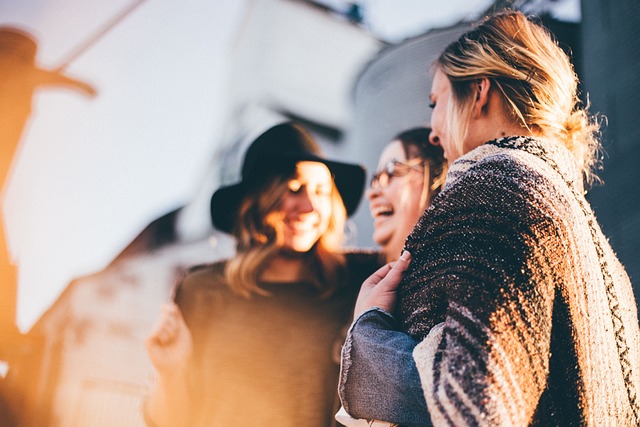
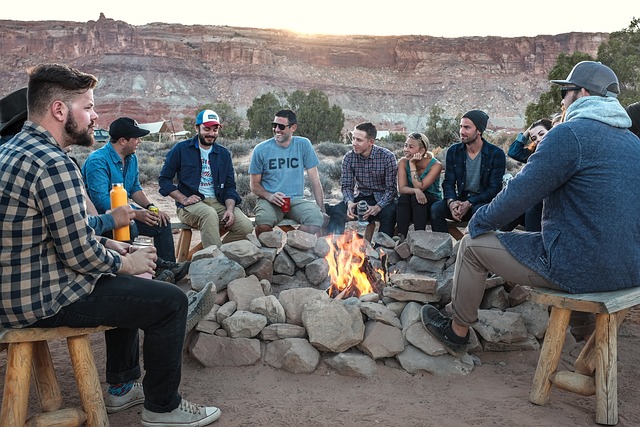
Ask people about their best childhood memories and a surprising number involve a tent, a lake or a campfire. This is no accident. Camping concentrates the conditions that make relationships deepen: shared effort, shared discomfort, shared delight and, above all, undivided attention.
Introduces the bonds of family and friends formed while camping.
Keywords: family campingfriends campfirechildren tent
Keyword basis: surrounding paragraphs
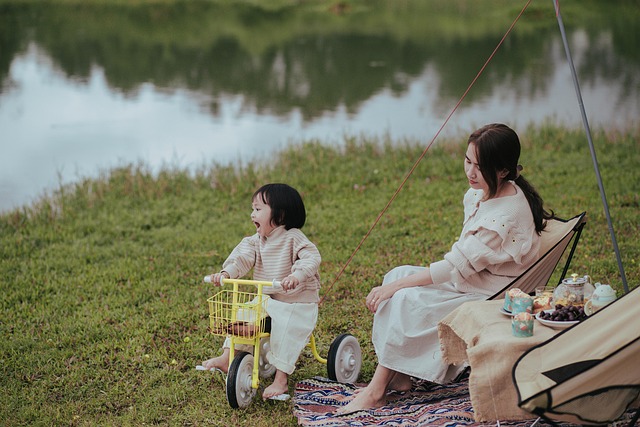
At home, a family can be in the same room for hours while each person looks at a different screen. At a campsite, there is nowhere to retreat to. There is the fire, the picnic table, the trail and each other. Conversations that would never happen on a busy weeknight unfold naturally, because there is time and nothing to interrupt them. Teenagers who answer in single syllables at home begin to talk. Grandparents tell stories about their own youth. Small children ask the questions that only a night sky can provoke.
Shared hardship plays a part, too. A tent pole that snaps, a trail that is longer than the map suggested, a sudden downpour that sends everyone scrambling: these moments feel stressful at the time and become treasured stories afterward. Psychologists have long noted that people bond through cooperating on a challenge, and camping supplies small, manageable challenges in abundance. Pitching a tent in the wind takes four hands and some laughter. By the end, a group of acquaintances has become a team.
Friendships benefit in the same way. Many lifelong friends can trace the strength of their bond to a camping trip, an annual weekend that started as a casual idea and became a tradition. Because everyone is out of their normal roles, the usual hierarchies soften. The person who is quiet at the office turns out to be the funniest storyteller by the fire. The one who seems unflappable admits to a fear of bears. People see each other more fully and like each other more for it.
Camping also offers the gift of solitude, which is a form of connection in its own right. A solo night in a small tent, or an early morning walk before anyone else is awake, gives you time to hear your own thoughts. Many people find that solitude in nature is not lonely at all. It feels spacious and companionable, and it makes returning to company all the more enjoyable.
Finally, campgrounds themselves are surprisingly friendly places. Neighbors lend each other a lighter or a spare stake, share tips about the best trail, and wave across the road. In a world where we can live for years beside people we have never spoken to, that easy, low-stakes kindness is worth treasuring.
Skills, Self-Reliance and Quiet Confidence
Modern life rarely asks us to do much with our hands. We press buttons and things happen. Camping reverses that relationship. Suddenly you are the one who must make shelter, keep warm, find water, cook dinner and read the weather, and each of these tasks teaches something real.
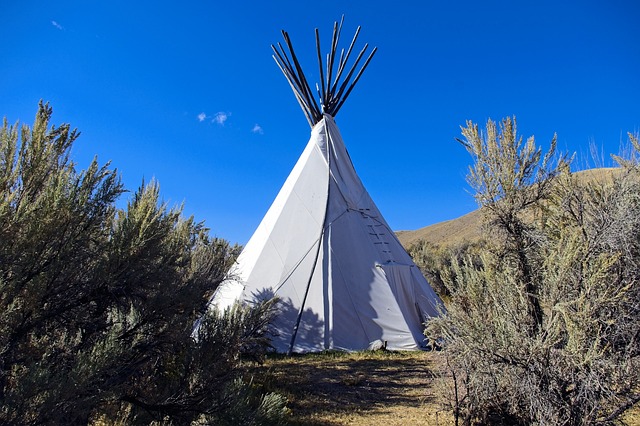
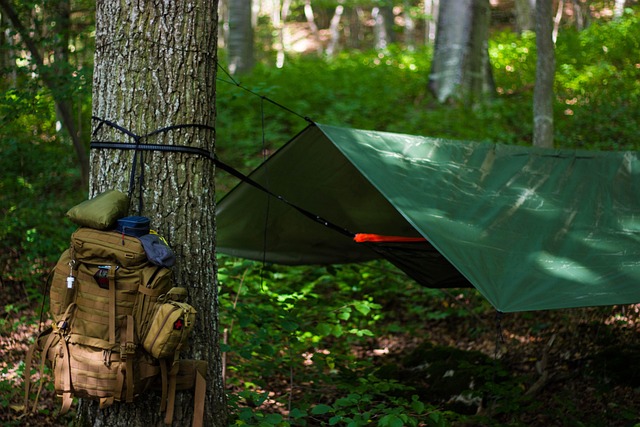
Start with the basics. Learning to pitch a tent properly, taut and well staked, with the door turned away from the wind, is a small skill with large consequences on a stormy night. Tying a handful of reliable knots solves a surprising number of problems, from hanging a tarp to securing a load. Reading a map and compass, or at least a trail map and a sense of direction, builds a feeling for place that a phone's blue dot never quite provides. Sorting out which clothes to layer and when keeps you comfortable in conditions that would otherwise be miserable.
Then there are the habits of mind. Camping teaches planning, because you cannot pop to a shop for the item you forgot. It teaches adaptability, because plans change when rain arrives or a trail is closed. It teaches patience, because a fire, a kettle and a sunrise all take their own time. And it teaches calm in the face of small setbacks, which may be the most transferable skill of all.
There is also the matter of responsibility. Good campers learn the principles of leaving no trace: pack out what you pack in, keep a respectful distance from wildlife, stay on durable surfaces, and leave the site as you found it or better. Caring for a place you are only visiting is a lesson in stewardship. It encourages the same attitude toward the wider world, an understanding that beautiful things last only when people look after them.
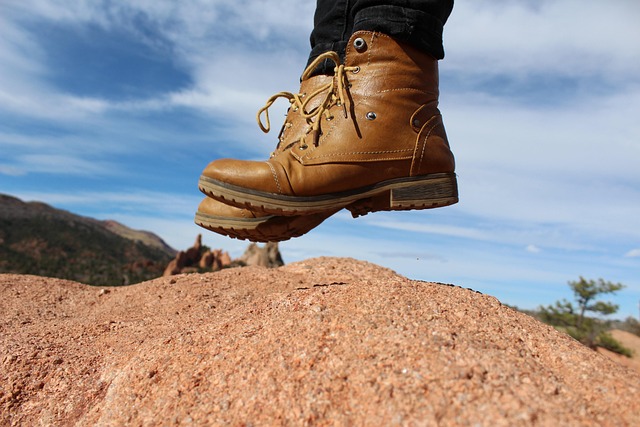
Perhaps the most valuable result is confidence. The first time you cook a decent meal on a stove, stay dry through a storm you prepared for, or find your way back to camp at dusk, you gain a quiet certainty that you can handle more than you thought. Parents often see this in children, who return from a trip taller somehow, proud of having built the fire or carried their own pack. Adults feel it too. It is a modest, practical form of self-trust, and it is earned honestly, one muddy boot at a time.
These skills are not reserved for survival experts. They are learned in ordinary weekends, through small mistakes and cheerful trial and error. Most seasoned campers can list the things they got wrong in their first year, often with great affection.
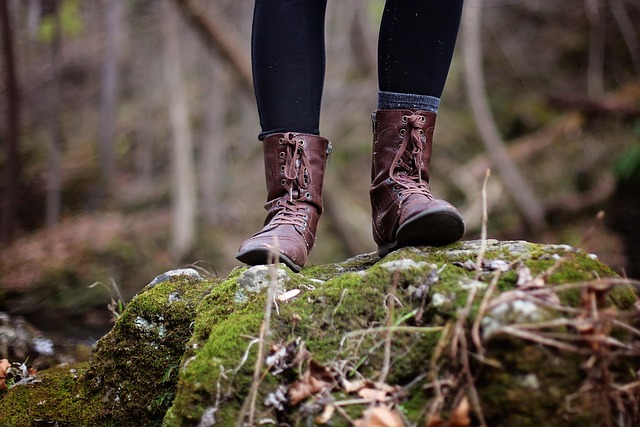
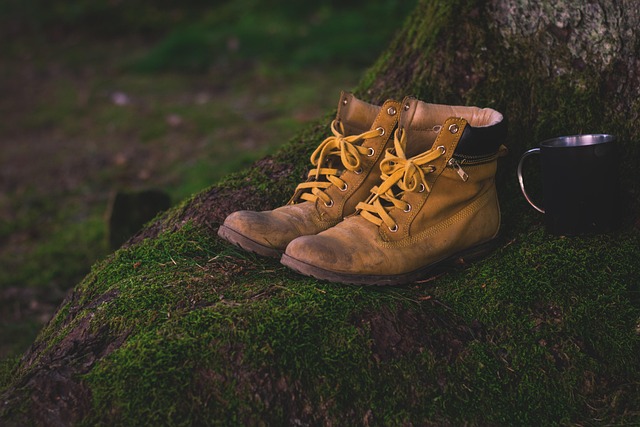
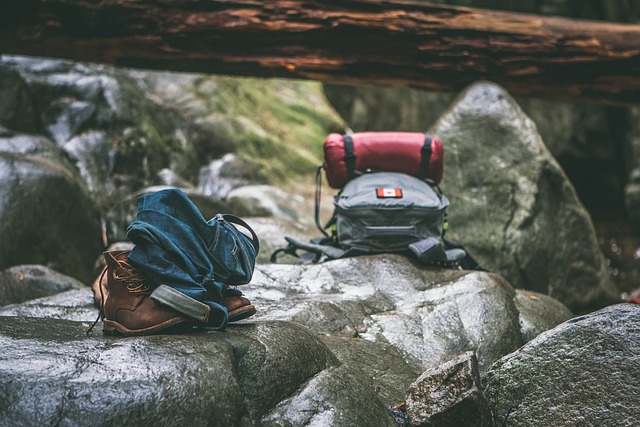
The skills section on tents, knots and maps calls for an image of practical outdoor know-how.
Keywords: pitching tentcompass maphiking boots
Keyword basis: surrounding paragraphs


Camping for Everyone: How to Begin
The most common reason people give for not camping is that it seems complicated, expensive or only for the outdoorsy. None of that has to be true. Camping is wonderfully flexible, and there is a version for almost every age, budget and level of fitness.
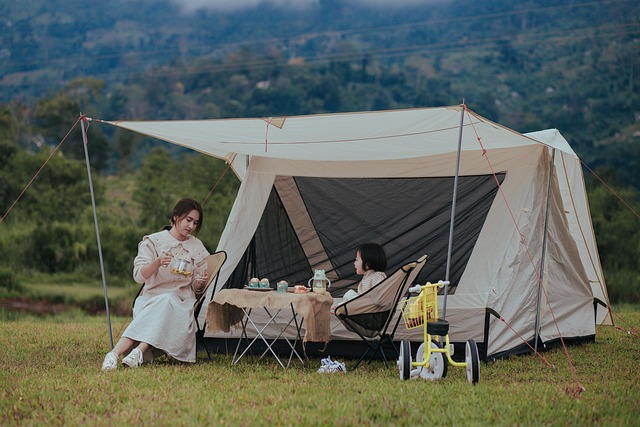
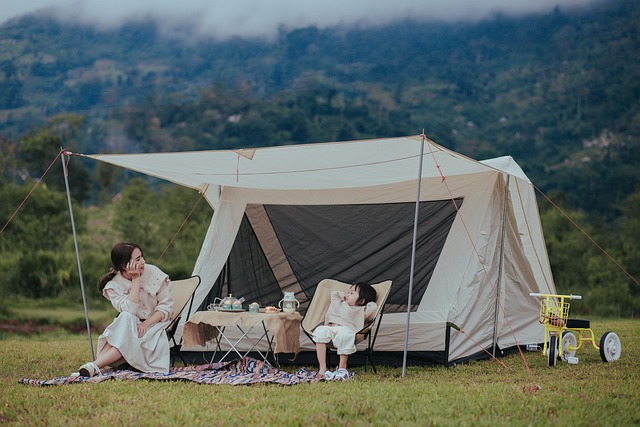
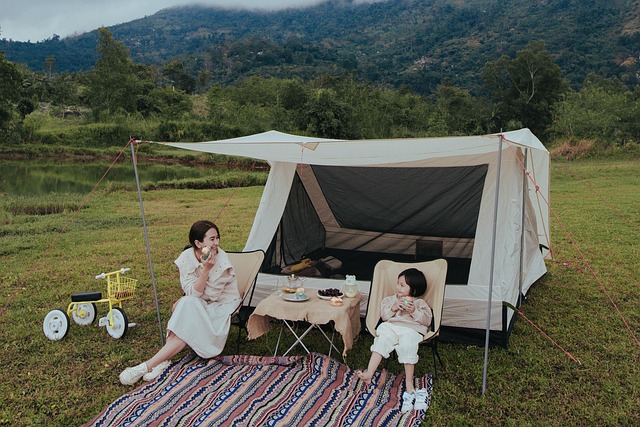
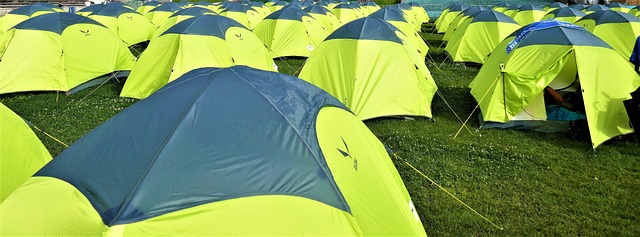
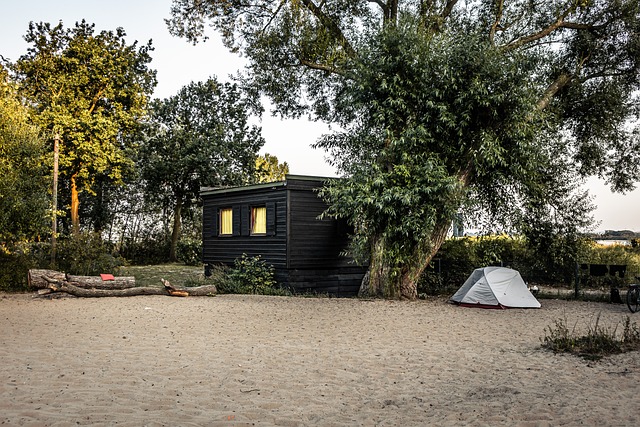
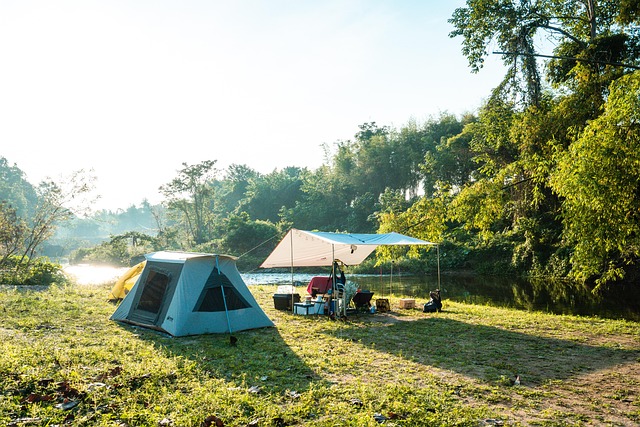
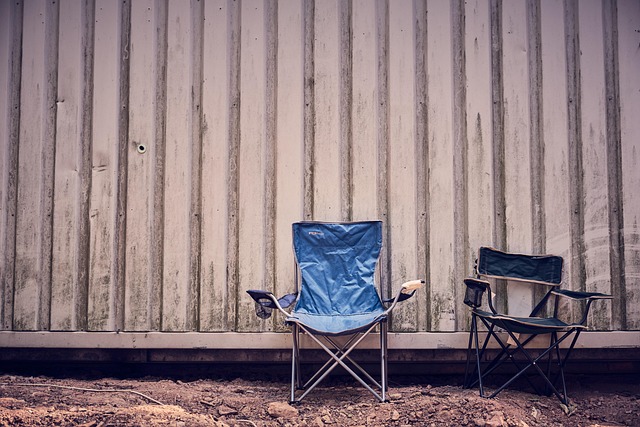
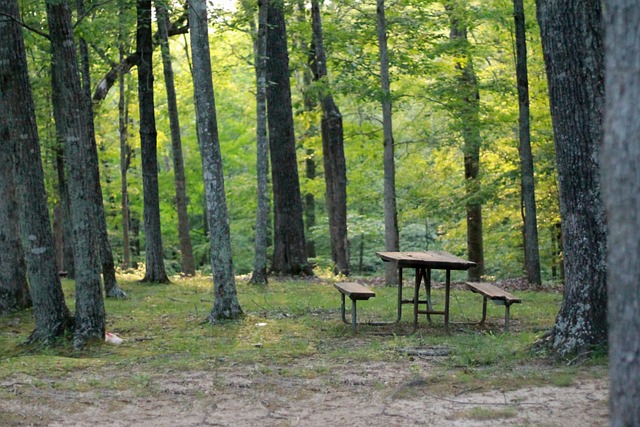
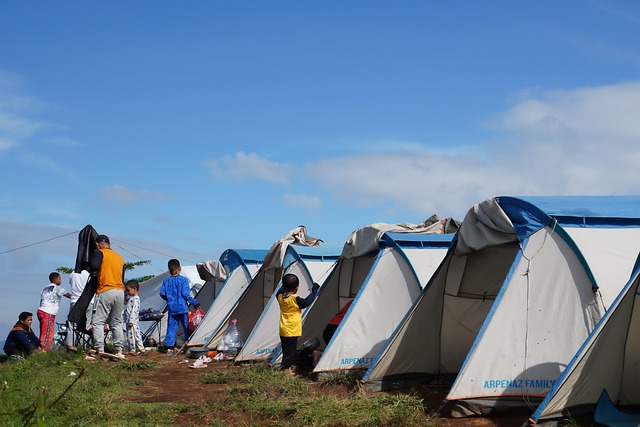
The gentlest entry point is car camping. You drive to an established campground, park beside your site, and unload a tent, sleeping bags, a stove and a cooler. Because weight does not matter, you can bring comfortable extras: a proper chair, a larger tent, real pillows. Most campgrounds provide a flat pitch, a fire ring or grill, a picnic table and nearby toilets, sometimes showers. It is an ideal way to test whether you enjoy the experience without committing to anything strenuous.
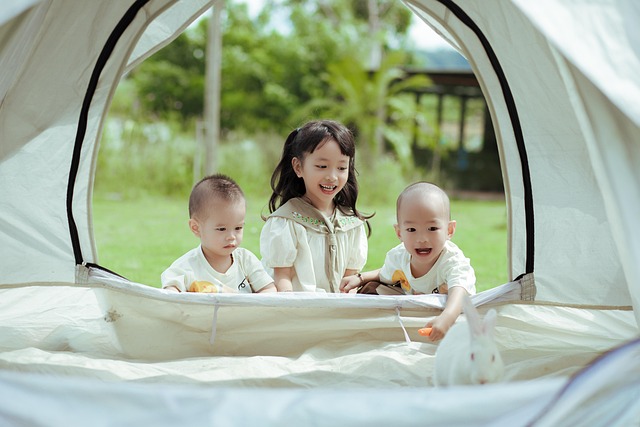
From there, the options widen. Backpacking carries everything on your back to places no road reaches, trading comfort for solitude and scenery. Canoe and kayak camping uses waterways as highways. Bikepacking combines cycling with overnight stays. Glamping, with its furnished tents, cabins and real beds, brings a taste of the outdoors to people who prefer a softer landing. Even a tent in the back garden counts as a first rehearsal, and it is a lovely way to introduce young children to sleeping outside.
If you are starting out, a few simple principles help:
• Borrow or rent before buying. Friends, community groups and outdoor shops often lend or hire equipment, so you can learn what you actually need.
• Choose a close, easy site for the first trip. A campground within an hour or two of home means that if something goes wrong, you are not far from help or from your own bed.
• Practice at home. Pitch your tent in the living room or garden before you leave, and test the stove once so that nothing is a surprise.
• Invest in sleep. A decent sleeping pad and a bag rated for the temperatures you expect make the difference between a miserable night and a happy one.
• Check the forecast and the rules. Know the weather, any fire restrictions and the campground's booking requirements, which can fill quickly in popular seasons.
• Keep the menu simple. Choose familiar meals that are easy to prepare, and leave elaborate cooking for later trips.
Cost is less of a barrier than people expect. A basic setup can be assembled gradually, and campsites usually cost far less than hotel rooms. For families, the savings can be substantial, and the experience is worth far more than the money spent.
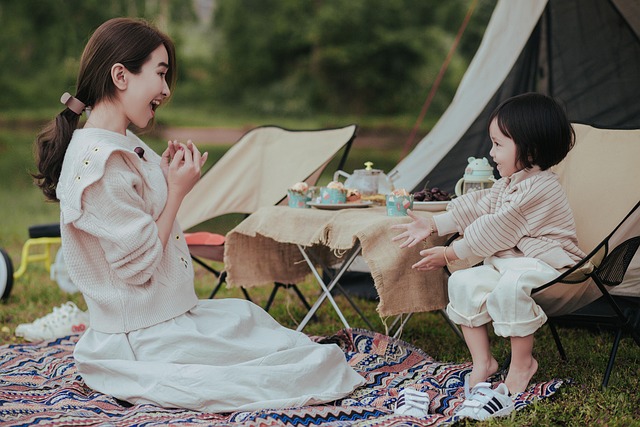
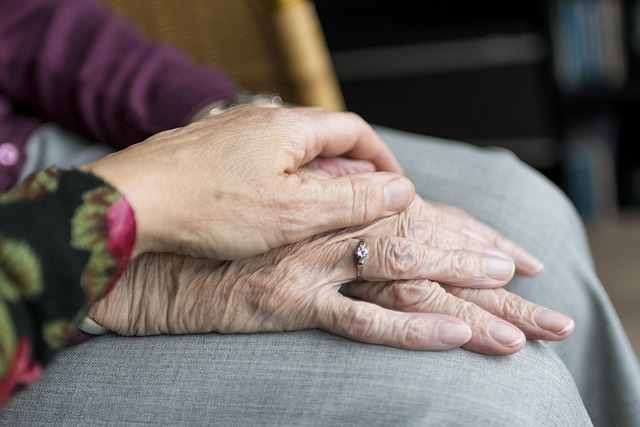
Age need not limit you either. Children often take to camping with great enthusiasm, and older adults find that a comfortable campsite, a good chair and a slow pace are all they need. People with limited mobility can look for accessible campgrounds, which increasingly offer paved paths, adapted facilities and level sites. The point is not to push yourself to extremes. It is to be outside, together, on your own terms.
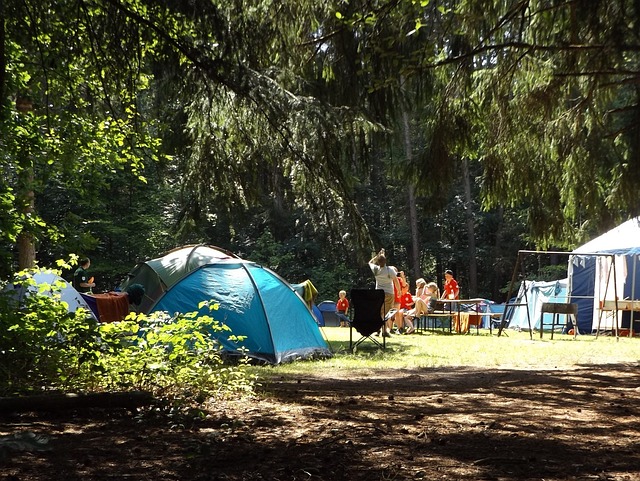
Discusses how people of all ages and abilities can camp comfortably.
Keywords: campgroundcamping chairssenior camping
Keyword basis: surrounding paragraphs

Pack a Bag and Go
There is a moment, usually on the first evening of a trip, when the tent is up, the stove is hissing, and the light turns gold across the trees. The day's effort is behind you, the night is still ahead, and for a few minutes nothing needs to be done. People who camp know this moment well. It is the reason they keep coming back.
Camping is not magic, and it is not always comfortable. Mosquitoes bite, rain arrives at inconvenient times, and the ground can feel harder at three in the morning than it did at nine the evening before. But the discomforts are small, and they are the price of admission to something increasingly rare: a stretch of time in which life is simple, attention is whole and the world is larger than a screen.
The case for camping rests on several quiet strengths. It gives us the night sky, with all its humbling grandeur. It teaches us how little we truly need. It turns cooking and conversation into rituals. It benefits our sleep, our stress and our concentration. It draws families and friends closer, builds skills and confidence, and reminds us that we belong to a living planet that deserves our care. Few activities offer so much for so little.
If you have been meaning to try it, begin small. Pick a date, borrow a tent, book a site not far from home, and invite someone you like. Do not worry about doing it perfectly. Your first trip will teach you more than any article can, and the mistakes you make will become the stories you tell.
And if you already know the joy of waking to birdsong beside a tent, then you know what to do next. Look at the calendar, find a free weekend, and go. The trees are waiting, the stars are out, and the fire is easier to light than you think.